

What does underfloor heating renovation cost in Switzerland?
The cost of renovating underfloor heating cannot be stated reliably without an on-site condition analysis. The decisive factors are the condition and material of the pipes, the number of heating circuits, the accessibility of the manifolds and, above all, which measure makes technical sense. Servicing, cleaning, a complete internal pipe renovation or a follow-up inspection in a few years differ considerably in scope and in the work required on site.
Which measure suits your system depends above all on the pipe material and the problems associated with it. We use the HAT system to renovate simple plastic pipes, as installed until around 1990, completely from the inside and give them a new coating. For more recent multi-layer composite pipes with deposits, cleaning by professional polishing, our HAT system light, is sufficient, depending on the findings. If the system is in good condition, servicing or a follow-up inspection in a few years is enough. Which of these measures is right only becomes clear after an expert on-site inspection of all system components. That is why we do not quote a flat price per square metre.
Which measure makes sense?
Cleaning by polishing (HAT system light)
- Purpose: More recent multi-layer composite pipes: remove deposits completely by fine polishing
- Intervention: No floors broken open
- Impact on costs: Effort depends on the system, heating circuits and findings. Polishing is not the same as simple flushing.
Complete internal pipe renovation (HAT system)
- Purpose: Simple plastic pipes up to around 1990: clean and coat the inside so that they are oxygen-tight in accordance with DIN 4726 again
- Intervention: Floors and walls remain closed; local work only when a concealed (flush-mounted) manifold is replaced
- Impact on costs: Scope depends on factors including heating circuits, accessibility and any necessary associated work.
Last resort for pipes that cannot be renovated
- Purpose: Milling technique: mill new multi-layer composite pipes into the existing screed
- Intervention: Existing screed remains in place; a suitable screed is required
- Impact on costs: Effort depends mainly on the area and condition of the screed.
These factors determine the effort involved
This is why the effort can vary even between houses of a similar size. A condition analysis is therefore essential for a binding quote.
- Condition, age and material of the existing heating pipes
- Number and length of the heating circuits
- Accessibility and condition of the manifolds
- Embrittlement, deposits, corrosion, recurring pressure loss or existing damage
- The chosen measure and any necessary additional work
- If internal renovation is no longer technically possible: the effort involved in the milling technique as a last resort
Why the condition analysis matters before the quote
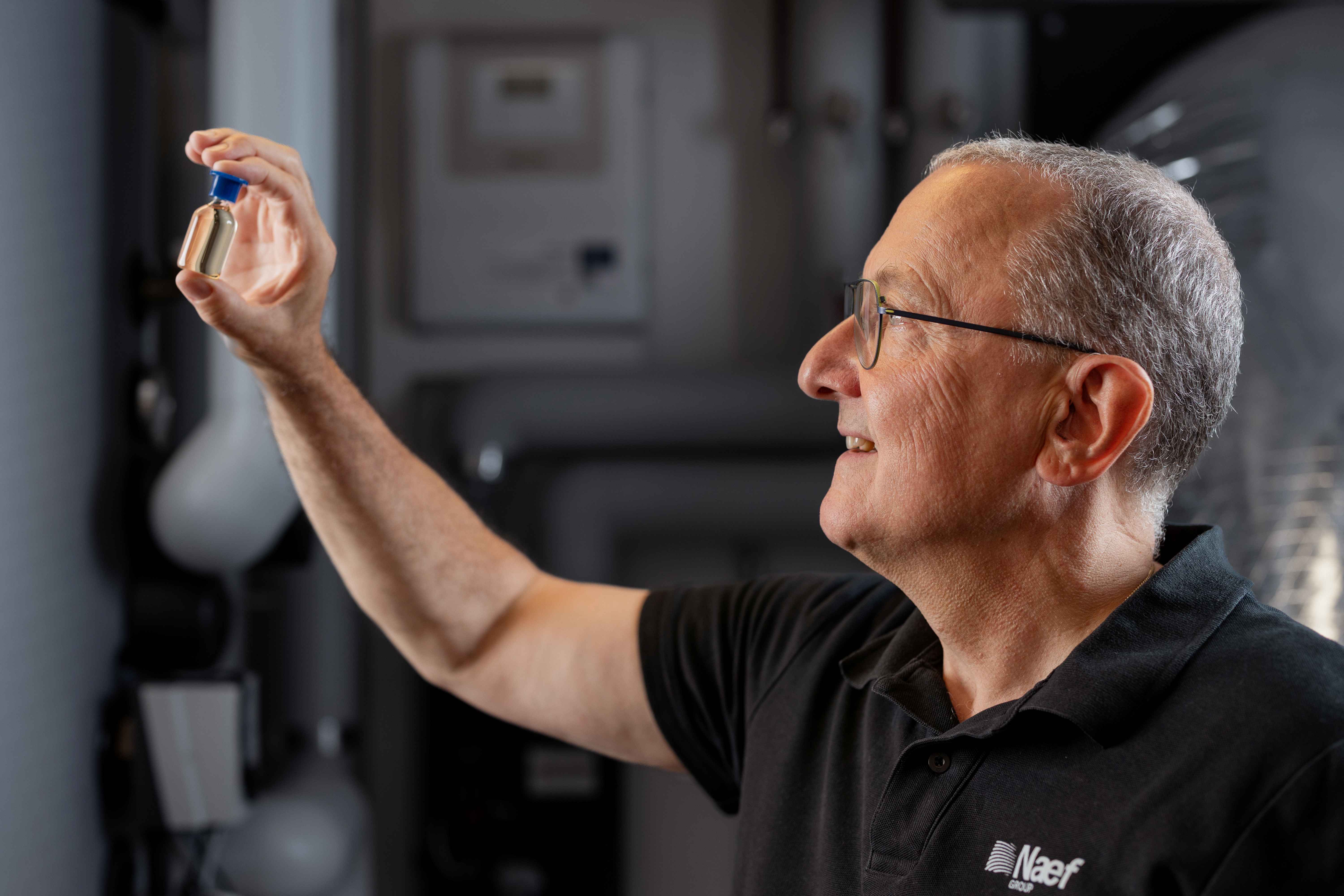
During our condition analysis, our specialists carry out an expert on-site inspection of all components of your underfloor heating system. Using a water analysis, we determine six values and assess them in accordance with the applicable SWKI guidelines. Where necessary, thermography images taken with a thermal imaging camera complement the analysis and reveal defects in the heat distribution. You receive a detailed analysis report with a catalogue of measures. It shows whether a measure is necessary and technically feasible or whether we can give the all-clear.
The expert inspection thus answers the key question of what your system needs: no measure for now and a follow-up inspection in a few years, servicing, cleaning by professional polishing or a complete internal pipe renovation with the HAT system. Only if the pipes can no longer be renovated from the inside do we consider the milling technique as a last resort.
Which warning signs should I take seriously?
Typical signs include rooms or zones that no longer get properly warm, recurring pressure loss, heating water that constantly needs topping up, or declining heating output. In older plastic pipes, embrittlement, oxygen diffusion, corrosion and deposits can interact. A single symptom does not in itself prove that renovation is needed; however, it is a good reason for an expert condition analysis.
What does internal pipe renovation with the HAT system involve?
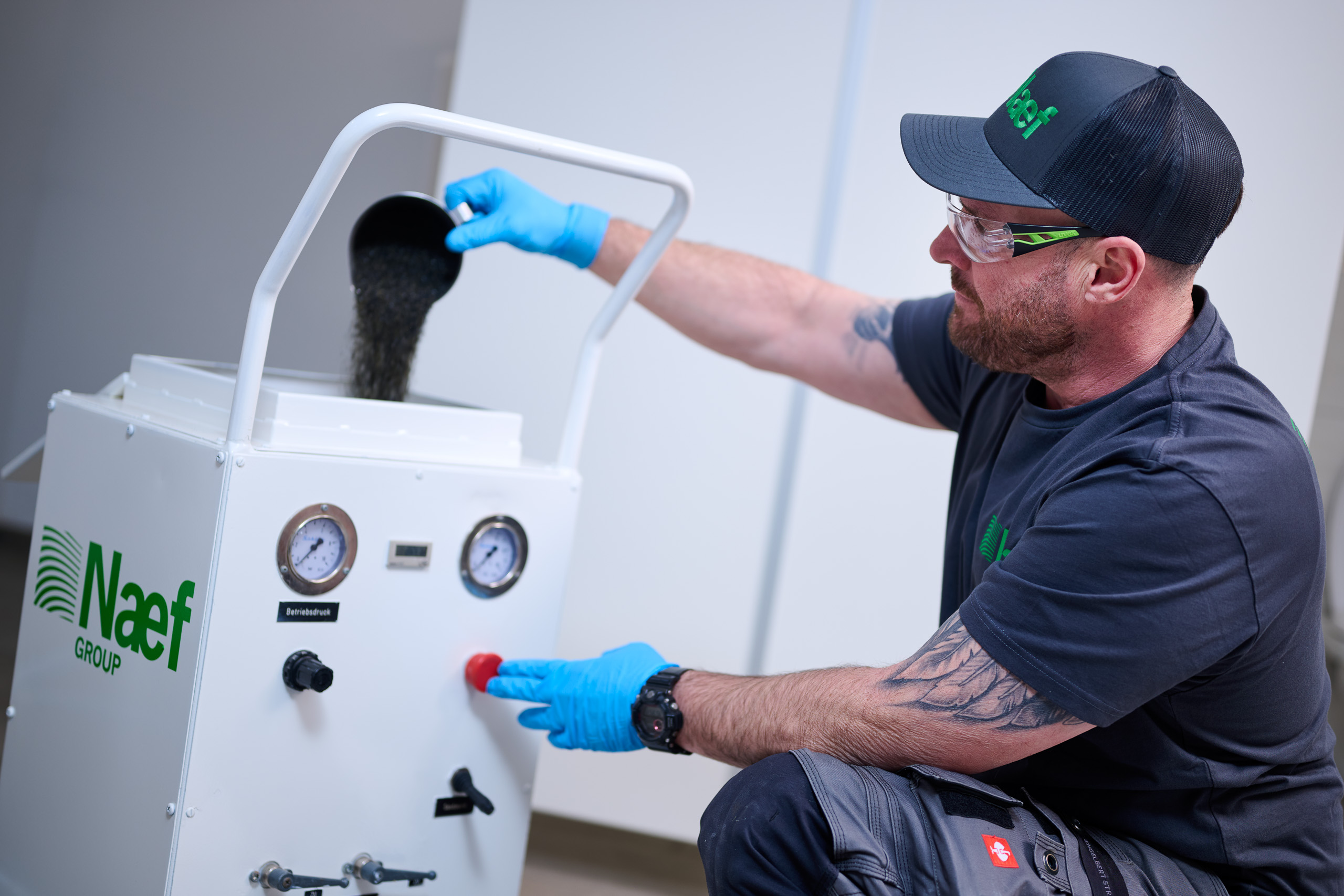
If the condition analysis shows that the system is suitable for renovation, we dry the existing pipes completely, clean them internally using a gentle, chemical-free fine sanding process and then coat them seamlessly. The coating makes the pipes oxygen-tight in accordance with DIN 4726 again. Floors and walls are not opened for this. Only when a concealed (flush-mounted) manifold is replaced do we carry out the necessary milling and chiselling work at the manifold location ourselves. For this, we set up a dust tent so that no dust gets into the house. The rooms remain habitable during the work.
As a guide, for a typical detached house with around twelve heating circuits, we need one day for preparatory work, around three days for the actual renovation and one day for finishing work. Heavier deposits or particular features of the system can change the duration and effort.
Which services belong in the specific quote?
Our quote shows transparently which work on the pipe system, the manifolds and other components is included. A HAT system renovation can include, among other things, new chrome steel manifolds, magnetic flux filters and, on request, individual room controls. We determine which services are required for the specific property after the technical analysis.
Renovation rather than replacement
Since 1985 we have pursued one goal: renovation rather than replacement. Internal pipe renovation with the HAT system is around ten times faster and considerably less expensive than a complete replacement, which, in addition to new heating loops, often involves removing and disposing of the floor structure, new floor coverings, adjustments to doors and skirting boards, and restoration work. A complete replacement is therefore not our approach. If the pipes can no longer be renovated from the inside, we consider the milling technique as a last resort: we mill new multi-layer composite pipes into the existing screed without removing it, provided the screed is suitable.
Can I deduct the costs for tax purposes?
As a rule, yes. Renovating existing underfloor heating serves to preserve the value of the property. Value-preserving maintenance costs for properties held as private assets can currently, in principle, be deducted from taxable income. How a specific piece of work is classified depends on the canton, the use and the property, and is assessed by the competent tax authority.
For owner-occupied property, the legal position changes on 1 January 2029: with the abolition of the imputed rental value, the deduction for maintenance costs will no longer apply at federal, cantonal or municipal level. For direct federal tax, the deductions for energy saving and environmental protection will also be abolished; the cantons may continue such energy deductions for a limited period. Technical necessity and value preservation take priority over any possible tax optimisation when making the decision. This guide does not replace tax advice.
Frequently asked questions
Next step
In a free initial phone consultation, we assess your situation. If a detailed inspection makes sense, one of our specialists analyses the underfloor heating on site. On this basis, you receive a clear recommendation and, if a measure is indicated, a property-specific quote.